
Missiles falling on cities are no longer an aberration in modern war — they are increasingly the norm. From Kyiv to Gaza to Tehran, urban populations have become the frontline of geopolitical conflict.
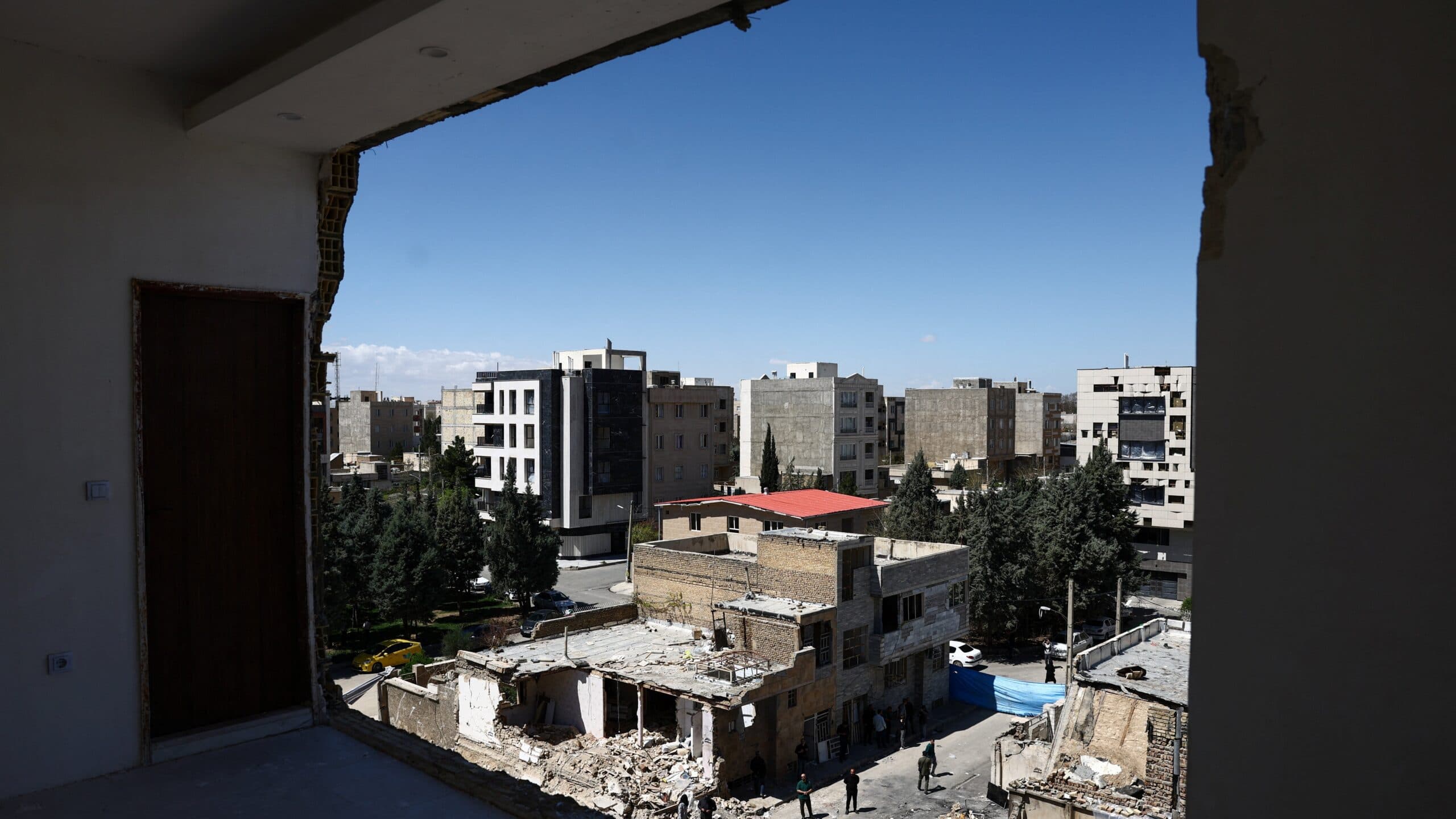
As tensions once again escalate across the Middle East, missiles, rockets and other explosive weapons are being launched toward or intercepted over urban areas, exposing civilian populations and critical infrastructure to increasing risk. Even where interceptions succeed, falling debris and blast effects can result in casualties and damage. Dozens of civilian casualties, including deaths, have been reported across the region since late February.
Israel is reported to have dropped more than 15,000 bombs onto Iran as of March 25, and the United States announced on March 6 that it had hit more than 3,000 targets at that point. Iran, too, has launched hundreds of missiles and drones in retaliation.
This reflects a broader transformation in how wars are fought today. Increasingly, hostilities take place in densely-populated urban environments, making homes, hospitals, schools and essential services part of the battlefield.
In such contexts, the use of explosive weapons raises urgent questions about how to better protect civilians and strengthen restraint in the conduct of hostilities. Given their religious beliefs on the limits of war as well as their personal experience with the devastation such senseless violence causes, Muslim nations should be at the forefront of global efforts to limit the use of explosive weapons in populated areas.
Explosive weapons in populated areas
The data is clear. When explosive weapons are used in populated areas, around 90% of those killed or injured are civilians.
The consequences also extend far beyond the moment of impact. Destroyed hospitals leave communities without medical care. Damaged water systems lead to disease outbreaks. Electricity failures disrupt essential services. Entire societies can spend years struggling to recover.
Recognizing these realties, the international community has begun to respond.
In 2022, states adopted the Political Declaration on Strengthening the Protection of Civilians from the Humanitarian Consequences Arising from the Use of Explosive Weapons in Populated Areas, committing to improve military policies and practices to reduce civilian harm.
Currently, there are 88 states that have endorsed the Declaration. Several Muslim-majority countries — including Qatar, Kuwait, Indonesia, Malaysia, Jordan, Morocco, Türkiye, and the State of Palestine — have endorsed this declaration.
From Syria to Iraq, from Yemen to Afghanistan, from Lebanon to Sudan and Gaza, Muslim-majority societies have experienced firsthand the devastating consequences of explosive weapons in cities and towns. Entire urban landscapes have been reduced to rubble, and the social and economic damage will take decades to repair.
A responsibility for Muslim leadership
Awareness alone is no longer enough. It must now translate into leadership.
Muslim societies have experienced the devastation caused by explosive weapons in cities more than most regions of the world. This lived experience should place them at the forefront of international efforts to limit and regulate the use of such weapons in populated areas.
Islamic teachings also provide a moral framework that places clear limits on warfare and emphasizes the protection of civilian life. While Islamic law recognizes that war may sometimes become necessary, particularly in self-defense, it places strict limits on how war may be conducted.
The Qur’an instructs believers: “Fight those who fight you, but do not transgress. God does not love those who transgress.”
Prophetic guidance to armies reinforced these limits. Soldiers were forbidden from killing women, children, and the elderly. They were prohibited from destroying crops, harming animals, or damaging the resources that civilian populations depend upon to survive.
These instructions closely mirrors what international humanitarian law calls the principles of distinction and proportionality. Parties to a conflict must distinguish between combatants and civilians and must refrain from attacks that would cause excessive civilian harm relative to the anticipated military advantage.
If a weapon or method of warfare cannot reliably distinguish between a military target and the civilians surrounding it, its use becomes ethically and legally questionable.
This is precisely the challenge posed by explosive weapons with wide-area effects when used in densely populated areas – as Muslim-majority nations across the Middle East know all too well.
Because of the combination of lived experience and ethical tradition, Muslim leaders have a unique credibility in leading global discussions about civilian protection.
They can help bridge two powerful frameworks: the humanitarian principles embedded in international law and the ethical teachings rooted in the Islamic tradition.
In many respects, the ethical limits articulated in Islamic teachings more than 14 centuries ago align closely with the humanitarian principles of modern international law. Both traditions recognize that war cannot be conducted without limits and emphasize the protection of civilians from unnecessary harm.
The challenge today is not the absence of principles. It is the gap between those principles and the realities of how wars are conducted.
A call to action
What would strengthening limits on use of explosive weapons in populated areas look like in practice?
First, Muslim states that have endorsed the Political Declaration should move beyond endorsement and publicly demonstrate how its commitments are integrated into military doctrine, operational planning, and training. Transparency would build credibility and set standards for others.
Second, Muslim-majority countries should establish dedicated civilian harm tracking and mitigation mechanisms within their military structures, enabling systematic assessment of both direct and indirect effects of explosive weapons.
Third, a regional research or policy hub — potentially hosted by an academic or independent institution in the Muslim world— could consolidate data, analysis, and best practices on the humanitarian impact of explosive weapons in populated areas.
Fourth, efforts should prioritize the restoration of essential services and long-term recovery in affected communities, particularly where damage to infrastructure continues to affect civilians years after the initial attacks. This could be complemented by the creation of an Islamic financing mechanism to compensate victims of explosive weapons in populated areas.
Finally, Muslim countries that have already signed the Declaration should coordinate to strengthen its implementation and expand its adoption among all Muslim states, ensuring that commitments translate into measurable change. As part of this effort, one endorsing state should signal its readiness to host an annual follow-up conference on explosive weapons in populated areas, building on previous meetings hosted by Ireland, Norway, and Costa Rica.
Beyond those in political leadership, Islamic scholars — who continue to hold influence and credibility across the Muslim world — also have a critical role to play. They should clearly reaffirm the established rules governing warfare in Islam, reminding both leaders and societies that these limits are not optional, but integral to the faith.
War may sometimes become unavoidable. But the abandonment of moral limits is not.
In a world where conflicts increasingly reach our cities, protecting civilian life must remain the highest measure of responsible leadership. And for Muslim societies, this responsibility is reinforced not only by international law but also by the ethical teachings of Islam itself.